Bladeless Cataract Surgery Singapore
“Bladeless”, also known as laser-assisted surgery, can be performed by our experienced senior eye surgeons in Singapore.
- Performed by Senior Eye Specialists
- Femtosecond laser-assisted surgery
- MediSave & Insurance Claimable
Camden (Orchard)Joo ChiatClementiBedokToa PayohJurong
-
Over 99% success rate and generally safe
Under 1% have major complications based on studies. Talk to our friendly cataract surgeons to understand more.
-
MediSave & insurance claimable
MediSave, Corporate and Personal Insurance can be used towards eligible surgery.
-
Minimal waiting time for treatment or surgery
Vision loss can worsen with delay and may be irreversible. Poor vision also raises the risk of falls and fractures.
Found this helpful?

What bladeless cataract surgery means in Singapore
Bladeless cataract surgery is the common name for femtosecond laser-assisted cataract surgery, in which a laser performs some of the steps a surgeon would otherwise do by hand. The cataract itself is still removed by ultrasound, and the new lens is still placed by the surgeon.
A femtosecond laser is a cutting instrument, not a means of removing a cataract: it can open the lens capsule, divide the clouded lens into segments, and cut the cornea.


Want to know more about bladeless cataract surgery? Talk to our friendly staff for a same-day appointment (subject to availability).
What the femtosecond laser actually does
Three steps, in the order they happen. All three can also be done by hand, and are, in the great majority of cataract operations performed worldwide.
-
Opening the lens capsule
The cataract sits inside a thin capsule, and a circular opening has to be made in the front of it before anything can be removed. A laser cuts that opening to a set diameter and position. By hand it is torn rather than cut — a controlled tear, and a real skill, but not to a programmed circle.
-
Softening the cataract
The laser divides the clouded lens into segments before any instrument enters the eye. Less ultrasound energy is then needed to break up what remains, which is the change most often measured in trials of the technique.
-
Cutting the cornea
The laser is capable of making both the entry wound and the separate arcuate incisions used to reduce astigmatism. In Singapore, the entry wound is usually made with a blade.
What the laser does not do
- Removing the cataract
- Done by ultrasound through the entry wound, exactly as in standard surgery. No laser removes a cataract.
- Placing the new lens
- The folded intraocular lens is inserted by the surgeon and opens into position inside the capsule.
- The entry wound
- Made with a blade, about 2.5mm across, and it usually seals without stitches.
- Everything after
- The anaesthesia, the time in theatre, the shield, the drops and the follow-up are the same either way.
Where a blade is still used
The femtosecond laser is capable of cutting the entry wound. In Singapore, that wound is usually made with a blade even when the laser performs the other steps.
The entry wound is the incision of about 2.5mm through which the cataract is drawn out and the new lens goes in. It is small, it usually seals without stitches, and it is made by hand.
What we perform is laser-assisted cataract surgery.
- The laser opens the capsule, softens the lens, and cuts arcuate incisions where astigmatism is being treated.
- A blade makes the entry wound.
- Ultrasound removes the cataract.
What the trials show
Laser assistance has been compared with standard ultrasound surgery in a large number of randomised trials, and the finding has been consistent: on the outcomes patients actually care about, the two are close.
42randomised trials
7,298eyes
Compared laser-assisted with standard ultrasound cataract surgery and found probably little or no difference in what happens to patients.
It reached that finding on each of the three things it measured: complications during and after the operation, visual acuity afterwards, and how patients rated their own vision. It also found laser assistance to be the less cost-effective of the two.
If you have questions or preference, please consult our friendly eye surgeons.
When bladeless cataract surgery is worth considering
A cut may help in certain scenarios:
- Astigmatism
- Arcuate incisions can be placed to a planned depth and axis as one way of reducing astigmatism at the time of surgery. A toric lens is the other way, and the two are sometimes combined.
- A dense cataract
- Dividing a hard lens before the ultrasound stage reduces the energy needed to remove it.
- A capsule opening of a set size
- Where the lens being implanted depends on sitting in a predictable position, a cut opening is more reproducible than a torn one.
Astigmatism can also be corrected with a toric lens rather than with incisions, and the two are sometimes used together. See how a toric lens works
Your surgeon will discuss the options with you comprehensively.
How much bladeless cataract surgery costs in Singapore
Laser-assisted cataract surgery at The Straits Eye Centre is $5,500 to $12,000 per eye.
Bladeless cataract surgeons in Singapore
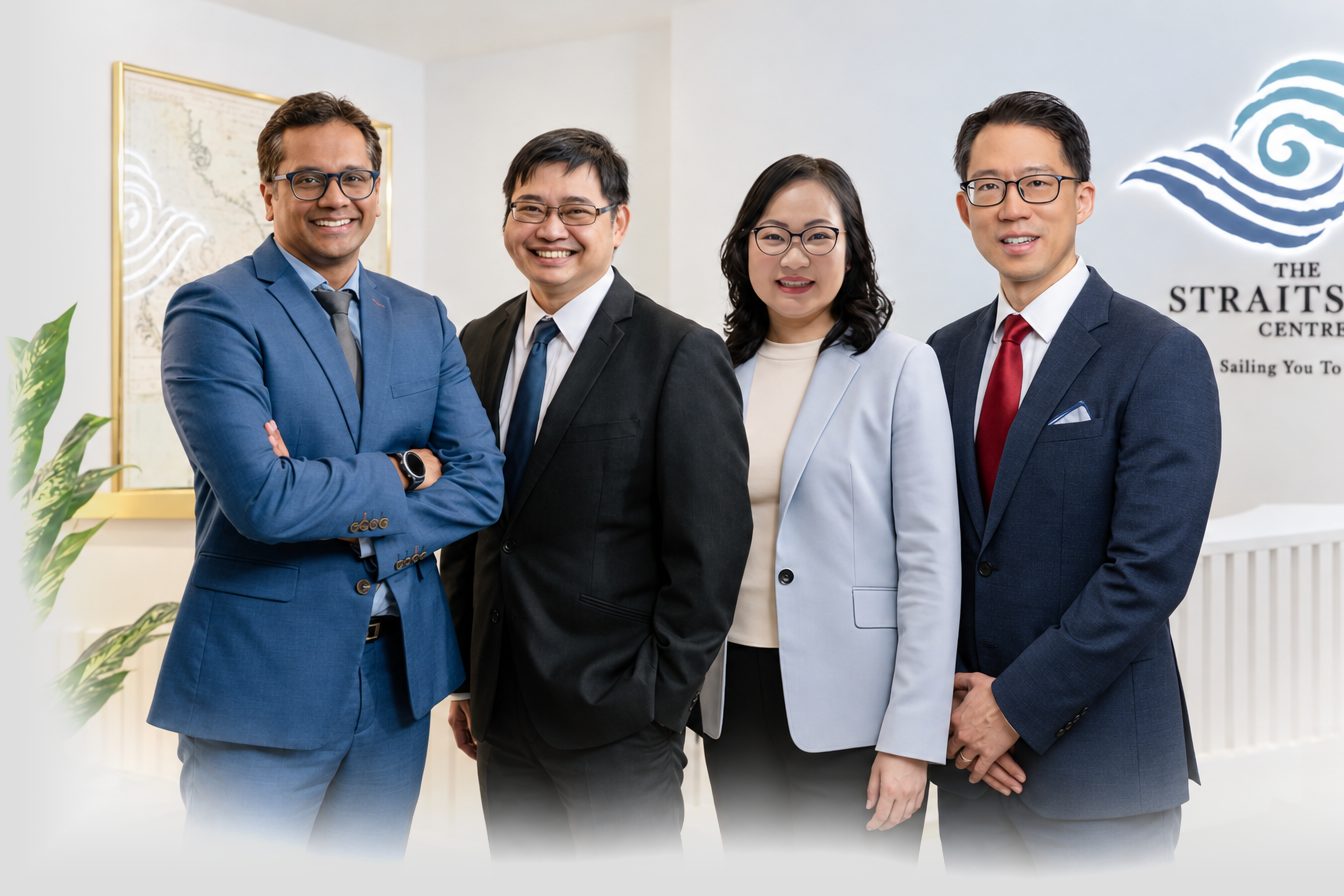
Laser-assisted cataract surgery at The Straits Eye Centre is performed by two Senior Consultant Eye Surgeons, both Medical Directors of the practice. Comparing surgeons? See how to choose a cataract surgeon.
99%+
cataract surgery success rate at The Straits Eye Centre.
-
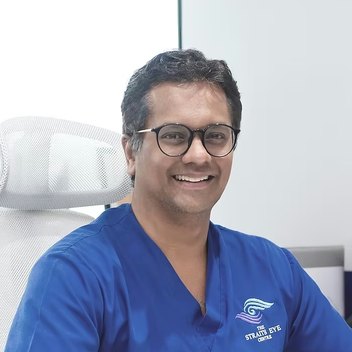
Dr Jayant V Iyer
Senior Consultant & Medical Director
The Straits Eye CentreMBBS · GDFM · MMed (Ophth) · FRCOphth · FAMS
-
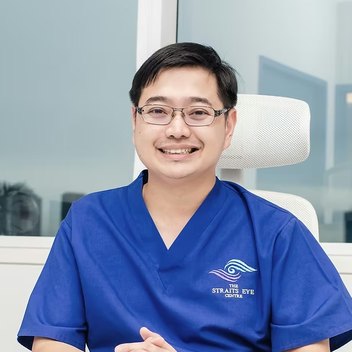
Dr Jason Lee
Senior Consultant & Medical Director
The Straits Eye CentreMBBS · BMedSc · MMed (Ophth) · FRCOphth · FAMS
Talk to our friendly surgeons for professional advice.
Common questions about bladeless cataract surgery
Is bladeless cataract surgery really bladeless?
Usually not entirely. A femtosecond laser is capable of cutting the entry wound, but in practice in Singapore that wound is made with a blade, including here. The laser does the other steps — opening the lens capsule, softening the cataract, and arcuate incisions where astigmatism is being treated. Laser-assisted cataract surgery is the accurate name for what is offered, and bladeless — or no-blade — is the name it is usually sold under.
Does the laser remove the cataract?
No, and this is the most common misunderstanding of the name. The cataract is broken up by ultrasound and drawn out through the entry wound, in laser-assisted and standard surgery alike. The laser prepares the eye for that step; it does not perform it, and it does not put the new lens in either.
What is a femtosecond laser?
A laser that delivers pulses lasting a few quadrillionths of a second. Each pulse is short enough to separate tissue at a precise depth without heating what surrounds it, which is what allows a cut to be planned inside the eye. The same class of laser is used to make the corneal flap in LASIK.
Is bladeless cataract surgery better than standard cataract surgery?
The trials do not show that it is. A Cochrane review of 42 randomised trials covering 7,298 eyes found probably little or no difference between laser-assisted and standard ultrasound surgery in complications during or after the operation, in visual acuity afterwards, or in how patients rated their own vision. It also found laser assistance the less cost-effective of the two. It is a different way of performing some of the steps, not a better operation, and standard surgery is not a lesser one.
Does bladeless cataract surgery cost more than standard surgery?
Yes. At The Straits Eye Centre it is $5,500 to $12,000 per eye. The laser is a separate machine with a cost attached to each case, and that sits on top of the surgical fee, which is why the lower end sits above the range for standard cataract surgery. Where you fall inside it depends on the lens you and your surgeon choose, whether laser assistance is used, and your insurance status. You are given the figure for your own eyes in writing before anything is booked.
Who performs bladeless cataract surgery in Singapore?
At The Straits Eye Centre, laser-assisted cataract surgery is performed by Dr Jayant V Iyer and Dr Jason Lee, both Senior Consultants and Medical Directors of the practice. Whether the laser is used in your case is decided after your eyes have been examined and measured; the eye specialist who sees you may recommend standard ultrasound surgery instead, and that recommendation is not a downgrade.
Who is laser-assisted cataract surgery suitable for?
It is a decision made after your eyes are examined and measured, not from a page. Astigmatism being corrected at the time of surgery, a dense cataract, and a lens that depends on sitting in a predictable position are the situations where a programmed cut is most useful. Your surgeon may recommend standard surgery instead, and that recommendation is not a downgrade.
Is the operation different on the day?
Only in that the laser stage happens first, with the eye held steady under a docking device for a short time before the surgery itself begins. The anaesthesia, the theatre, the shield afterwards, the drops and the follow-up appointments are the same. It remains day surgery under local anaesthesia and you go home the same day.
Ask whether the laser suits your eyes
Send us a message and we will arrange an examination. Which technique is recommended follows from what your eyes need, and you will be told why either way.