Cataract Vision Simulator by Type
These are simulated views of what vision may look like with a cataract: where it sits in the lens changes what you notice. They are strictly for educational purposes only. Each and every patient’s case and vision is different, depending on the type(s) and progression of the cataract. If your vision is blurry, please do not drive — see an eye doctor as soon as possible.


Concerned about cataracts or vision loss? Talk to our friendly staff for a same-day appointment (subject to availability).
Cataract vision vs normal, by type
Cataract vision by day
-
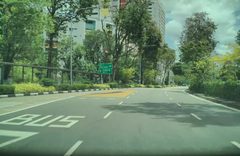
- The drive as filmed: sharp edges, full contrast and true colour.
-
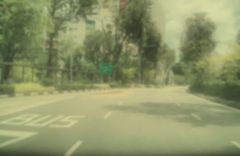
- The centre of the lens hardens and browns, so colour shifts towards yellow and fine detail goes evenly — the road sign is the first thing to become unreadable.
-

- Wedge-shaped opacities at the rim of the lens scatter light, so bright areas veil whatever sits beside them while colour stays closer to true.
-
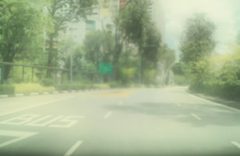
- A plaque sits on the visual axis, so the middle of the view fills with a bright veil, and bright light closes the pupil onto it and makes it worse.


Cataract vision at night
-
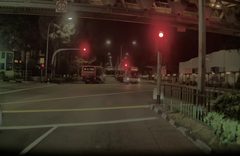
- The same drive at night as filmed: street lamps and traffic lights stay small and separate.
-
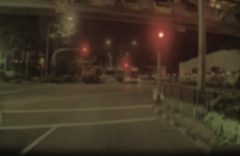
- Every light softens into a warm blur and the yellowing takes what is left of the contrast.
-
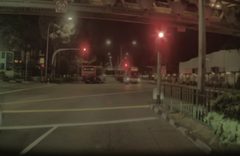
- Small bright lights can streak into spokes, while the darker parts of the scene keep their detail.
-
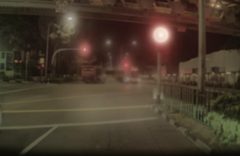
- Headlights and street lamps flare into glare across the centre of the view.


Cataracts and colour, up close
-

- A face at arm’s length as filmed: white stays white, and the fur and the whiskers hold their edges.
-

- A white coat turns cream and blue eyes go grey. A known white is where the colour shift gives itself away, which is why this is the view it shows on.
-

- The lit side of the face veils whatever sits beside it while colour stays close to true. Indoors there is nothing small and hard enough to throw spokes — that is the night view’s half.
-

- The middle of the view fills with a bright veil, so the face is the part that goes, and good light makes it worse rather than better.


Cataract vision indoors, in good light
-

- A clinic reception as filmed: the lettering on the wall is readable and each downlight stays a point.
-

- Fine detail goes evenly and the room turns warm. The lettering on the far wall is the first thing to become unreadable.
-

- Light off the white walls veils the lettering beside it, while the doors and the tree keep their colour.
-

- A bright veil sits over the middle of the room, so the lettering on the far wall goes first.


Each scene shows a different half of the same thing: bright light is where reading goes, small hard lights are what scatter turns into glare, and a face close up is where colour gives itself away. More on the three types of cataract and on the signs people notice first.
Our cataract surgeons
Cataract surgery at The Straits Eye Centre is performed by our three senior consultant eye surgeons, with more than 50 years in ophthalmology between them. Talk to us for a quick appointment.
10,000+
cataract operations, between our three senior consultant eye surgeons.
-

Dr Jayant V Iyer
Senior Consultant & Medical Director
The Straits Eye CentreMBBS · GDFM · MMed (Ophth) · FRCOphth · FAMS
-

Dr Jason Lee
Senior Consultant & Medical Director
The Straits Eye CentreMBBS · BMedSc · MMed (Ophth) · FRCOphth · FAMS
-

Dr Audrey Pang
Senior Consultant Eye Surgeon, The Straits Eye Centre
Visiting Consultant, TTSH and NUHMBBChir (Cambridge) · MMed (Singapore) · FRCOphth (London) · FAMS
Ask about your eyes
Send us a message and we will answer. Tell us what you notice and when it started.