A tender lump
On the edge of the lid, at the base of a lash, and sore to touch from the first day.


Most styes clear on their own within a week or two. This page is about what helps them along, and what happens to the ones that do not.
Camden (Orchard)Joo ChiatClementiBedokToa PayohJurong
Over 2,000 eyelid surgeries
Performed by Dr Jason Lee, Senior Consultant Eye Surgeon and Medical Director, whose subspecialty is oculoplastics: the eyelids, the orbit and the tear drainage system.
Most styes need no procedure
Warm compresses and lid hygiene clear the majority of them. A procedure is for the lump that will not settle.
Removal at Camden and Parkway East
The procedure is done at our two specialist clinics. You can be seen first at any of our clinics, or online.
Found this helpful?


A stye is a small, painful lump on the edge of the eyelid, at the base of an eyelash. Most people call it a pimple on the eyelid, and that is close to what it is. Its medical name is a hordeolum, and it is an infection of the gland behind the lash.
A stye on the lid margin, not on the eye
It can come up on the upper or the lower lid, inside or outside, and it sits on the lid itself, not on the eyeball. The cause is nearly always the same: one of the small oil glands along the lash line blocks and then becomes infected, usually by staphylococcus, a bacterium that lives harmlessly on everyone’s skin. Rubbing your eyes, poor lid hygiene, contact lenses handled with unwashed hands, blepharitis and rosacea all make one more likely.
Styes are common, they are not dangerous, and they are not a sign that anything is wrong with the eye itself. Vision is unaffected.


Feeling pain with your eyes? Talk to our friendly staff for a same-day appointment (subject to availability).
On the edge of the lid, at the base of a lash, and sore to touch from the first day.
The whole lid can puff up, and the eye waters more than usual.
The sign it is close to draining, the way a pimple on the skin comes to a head.
A warm compress is the main treatment. Three things, three or four times a day, for a week or two.
An antibiotic ointment is usually prescribed alongside the compresses. Antibiotics by mouth are kept for where infection has spread into the surrounding lid rather than staying in the one gland, and most styes do not need them.
A stye still there after about two weeks of warm compresses is not going to settle on its own. It may still be an unresolved infection, or it may have become a blocked gland: a chalazion. That is the lump a procedure deals with, and it is a small one: an incision and curettage, in which the lid is opened and the contents cleared. In some cases a steroid injection into the lump is used instead.
Drops first, then a local anaesthetic into the lid. What you feel is pressure rather than pain.
Usually from inside the lid, so there is no cut on the skin. Nothing is done to the eye itself.
A few minutes, and home the same day. The lid can stay swollen and bruised for a week or so while it settles.
The procedure is done at our two specialist clinics, Camden and Parkway East, and only if the lump turns out to need it.
The two are confused constantly, and the difference decides the treatment.
A stye that never drains can become a chalazion, so the same lump can be both, a fortnight apart.
If yours is painless and has sat in the lid for weeks, it is more likely the other one: what to do about a chalazion covers that.
A consultation is often enough to say whether a lump needs anything more, and it can be done over video.
| Service | Price |
|---|---|
| The Straits Eye Community Clinic | |
| Teleconsultation | $29 |
| Medication | As required |
| Camden and Parkway East | |
| Stye or chalazion removal | As required |
All fees shown are nett, with GST included. Medication and the procedure are charged separately, only where they are needed, and are quoted at your consultation. Some procedures are MediSave-claimable under MOH guidelines and some insurance plans cover part of the cost; we confirm what applies to you when you are seen.
All three of our eye specialists carry out minor eyelid procedures, and so does Dr Brendan Chin, Primary Eye Care Physician. Among the surgeons, the eyelids are Dr Jason Lee’s subspecialty. Talk to us for a quick appointment.
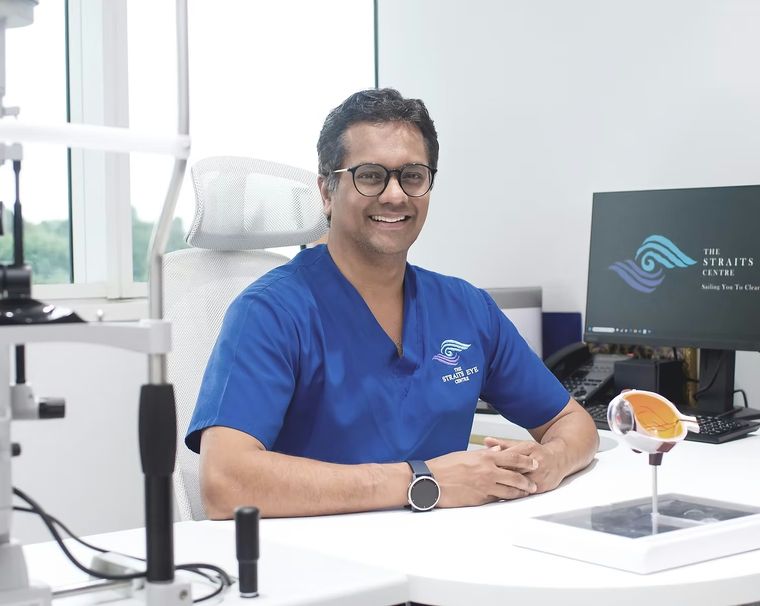
Senior Consultant & Medical Director
The Straits Eye Centre
MBBS · GDFM · MMed (Ophth) · FRCOphth · FAMS
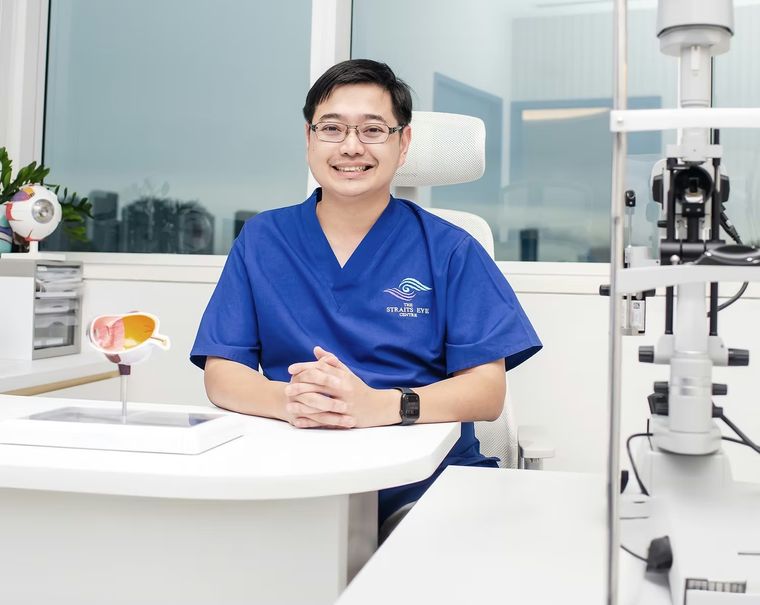
Senior Consultant & Medical Director
The Straits Eye Centre
MBBS · BMedSc · MMed (Ophth) · FRCOphth · FAMS
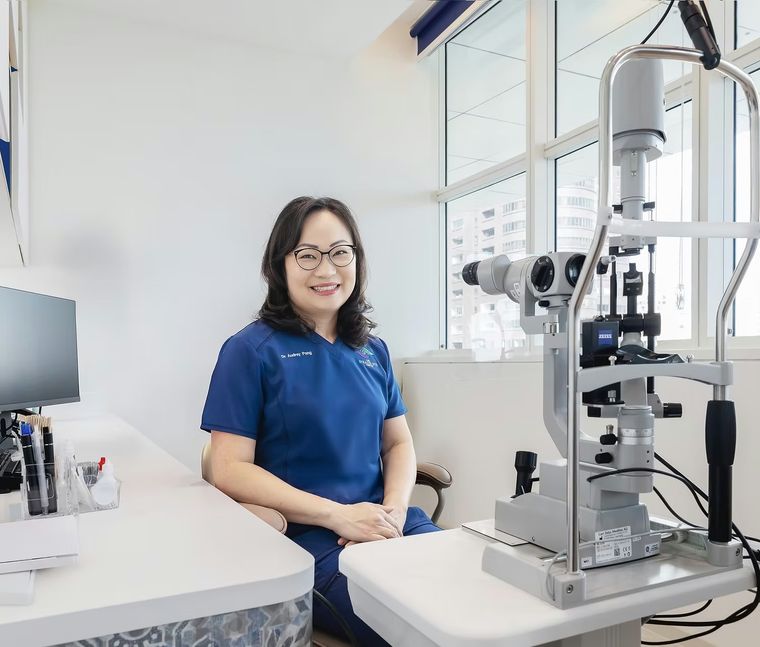
Senior Consultant Eye Surgeon, The Straits Eye Centre
Visiting Consultant, TTSH and NUH
MBBChir (Cambridge) · MMed (Singapore) · FRCOphth (London) · FAMS
Primary Eye Care Physician
The Straits Eye Community Clinic
MBBS (Singapore) · GDFM (Singapore) · DWD (CAW)
Usually, yes. Most styes drain by themselves within a week or two, and a warm compress held against the closed lid for five to ten minutes, three or four times a day, is what helps them along. See a doctor if it has not settled after about two weeks, or sooner if it is getting worse.
No. Squeezing pushes infection deeper into the lid and into the tissue around the eye, and it can leave a lump that outlasts the stye by months. Warm compresses soften it so it drains on its own. If it does need opening, that is done with a sterile blade under local anaesthetic.
Most settle in seven to ten days, with the pain and swelling easing within the first few days. A lump still there after two weeks may be an unresolved stye, or it may have become a chalazion: a blocked oil gland, which is painless and can sit in the lid for months.
A stye sits on the lid margin at the base of a lash, comes up quickly, and is painful and tender. A chalazion sits deeper in the lid, comes up slowly, and is usually painless. A stye that does not drain can turn into a chalazion, which is why one can follow the other.
An eye doctor. Most styes need no more than warm compresses and an antibiotic ointment, and we can start that at any of our clinics. A lump that keeps coming back, sits deep in the lid, or needs opening is one to have looked at properly. The procedure itself is done at our Camden and Parkway East clinics, by our eye specialists or by Dr Brendan Chin, Primary Eye Care Physician.
Through a small incision under local anaesthetic, so the contents can be drained. Most are done from inside the lid, through the inner surface, so there is no visible cut on the skin. Occasionally, where a lump is pointing outward at the lid margin, the incision is made there instead. The eye itself is not touched. Anaesthetic drops and an injection into the lid come first, so what you feel is pressure rather than pain.
If it is still there after about two weeks, if it keeps coming back, or if your vision changes. A lump that keeps returning, or that does not behave like a stye, is examined rather than treated on assumption, because not every lump on the eyelid is a stye.
Almost never. Warm compresses clear the great majority, and a lump that will not settle is dealt with by a small incision under local anaesthetic rather than by anything bigger. It takes a few minutes and you go home the same day.
Not the way a cold is. The bacteria involved already live on everyone’s skin, so you cannot catch a stye from being near someone who has one. What does spread it is sharing a towel, a flannel or eye make-up, or touching the lump and then rubbing the other eye.
Recurring styes usually point at something underlying rather than bad luck, most often blepharitis, an inflammation of the lid margins, or oil glands that block easily. Treating that is what breaks the cycle, and daily lid cleaning, leaving your eyes alone and clean contact lens habits are what keep them away. Children get them for the same reasons.
Send us a photograph and what it has been doing, and we will tell you whether it needs seeing.